
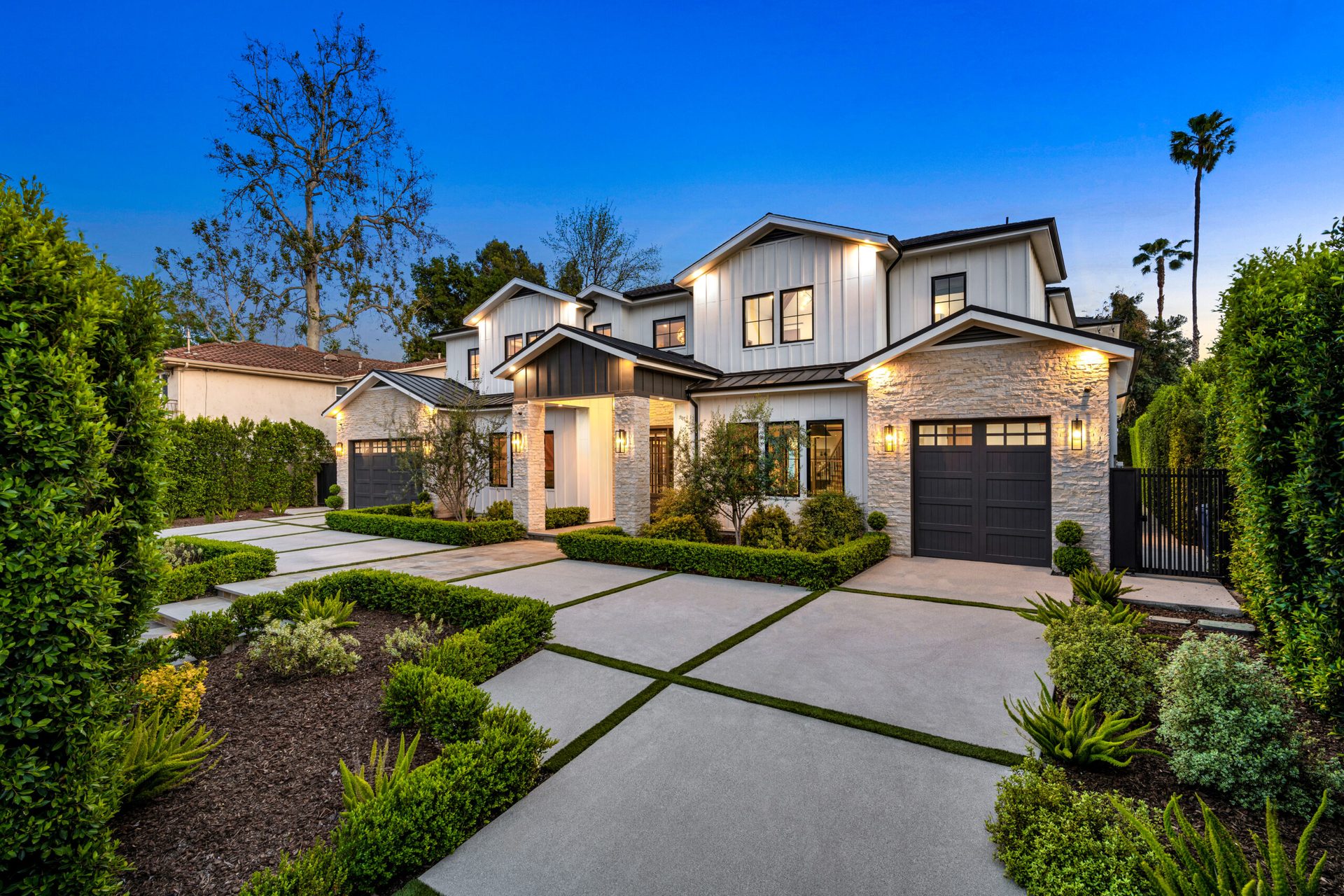
Garage-to-ADU Conversion on the Peninsula: What Bay Area Homeowners Should Know
Turning an underused garage into a legal, livable second home is one of the smartest moves a Silicon Valley homeowner can make. Here is how it actually works.
On the Peninsula, where lot prices are steep and buildable space is scarce, the most valuable square footage you own may already be sitting behind your roll-up door. A garage conversion lets you create a true second home without buying land, moving a foundation, or losing your yard. Done right, it adds room for aging parents, a returning adult child, or rental income that helps carry a Bay Area mortgage.
01Why a garage conversion makes sense here
From Palo Alto to Mountain View to Los Altos, most homes were built with an attached or detached garage that quietly became storage. Converting that existing structure is usually faster and less disruptive than building from the ground up, because the slab, walls, and roofline are often already in place.
You keep your yard and your footprint
Unlike a backyard new-build, a conversion works inside what you already have. That matters on tight Peninsula lots where setbacks and lot coverage rules leave little room for an entirely new structure.
California rules are on your side
State ADU law has steadily made it easier for homeowners to add a second unit, and most Peninsula cities now process these conversions through a faster approval path. We track each city’s specifics so your project is designed to approve the first time.
02ADU vs. JADU: knowing the difference
The two terms get used interchangeably, but they are not the same thing, and the difference shapes your whole project.
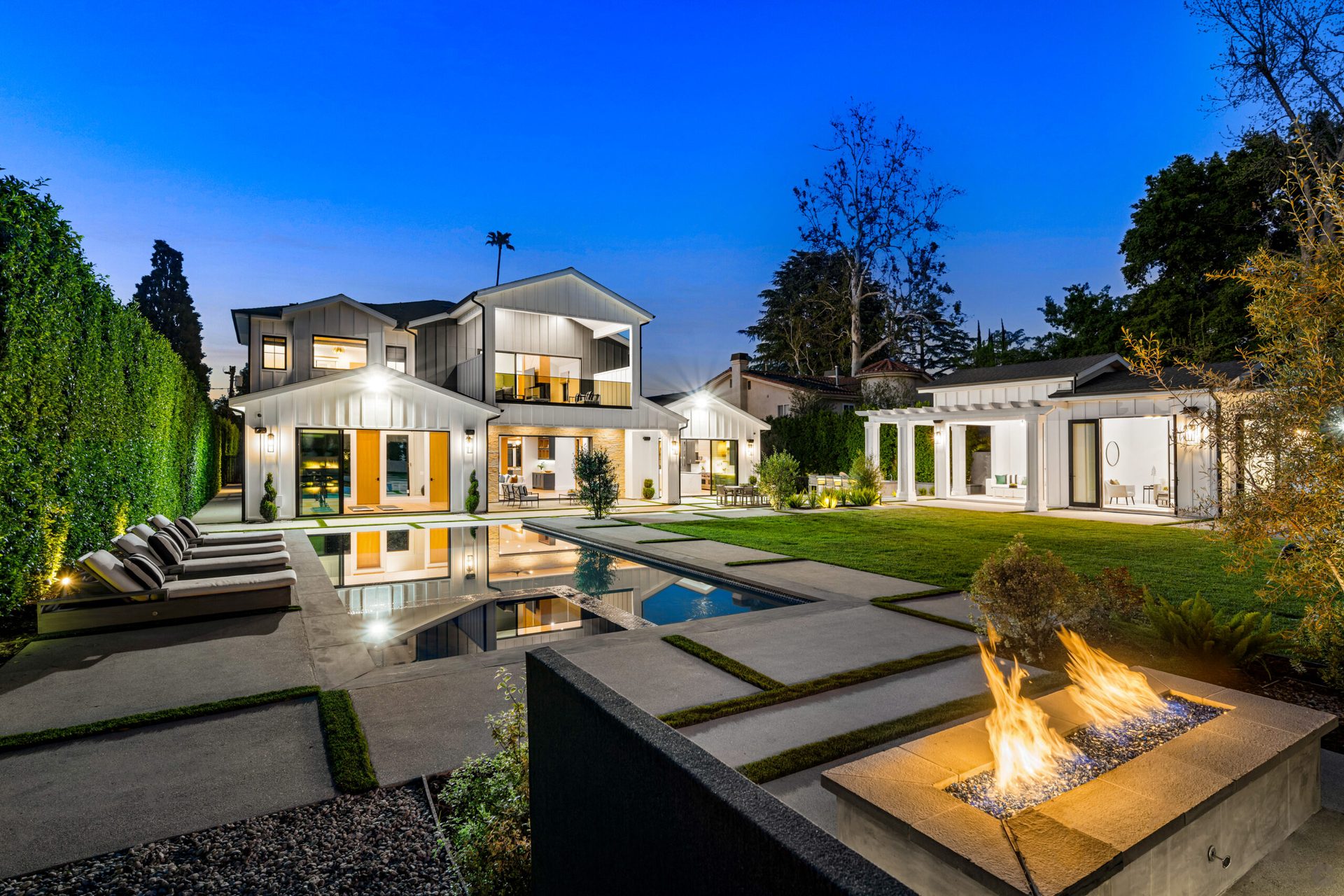
A fully independent home
A full ADU has its own kitchen, bathroom, and private entrance. A detached or attached garage converted into a complete living space falls into this category — it is what most homeowners picture when they imagine rental income or a private suite for family.
Carved from the main house
A Junior ADU is carved out of the existing home, capped at 500 square feet, and can share a bathroom with the main house. It is simpler, but more limited. For most garage conversions, the full ADU is the better long-term fit.
The garage you park bikes in today can legally become a one-bedroom home — the structure is already standing, it just needs the right design and the right permits.
03Our design-build process, start to finish
The reason earlier garage conversions go sideways is almost always a disconnect between whoever drew the plans and whoever swung the hammer. We keep both under one roof.
In-house design team
Your project is designed by our own designers, not handed to an outside firm. That means the people drawing your kitchenette and bath are the same people accountable for building it.
3D renders before a wall moves
You see realistic 3D renderings of the finished space before construction starts, so there are no surprises about how the layout, light, and finishes come together.
Permits handled, no subs left guessing
We manage the permit process with your city and source materials directly, and we self-perform the core work rather than juggling a rotating cast of subcontractors. One team, one point of contact, one standard of finish.
What we handle for you
Design and 3D renderings, structural and Title 24 plans, city permitting, material sourcing, and the full build — from the existing slab to the final fixtures. You get one accountable team from first sketch to final walkthrough.
04What actually adds value
A converted garage that feels like a real home — not a finished storage room — is what appraises well and rents quickly on the Peninsula.
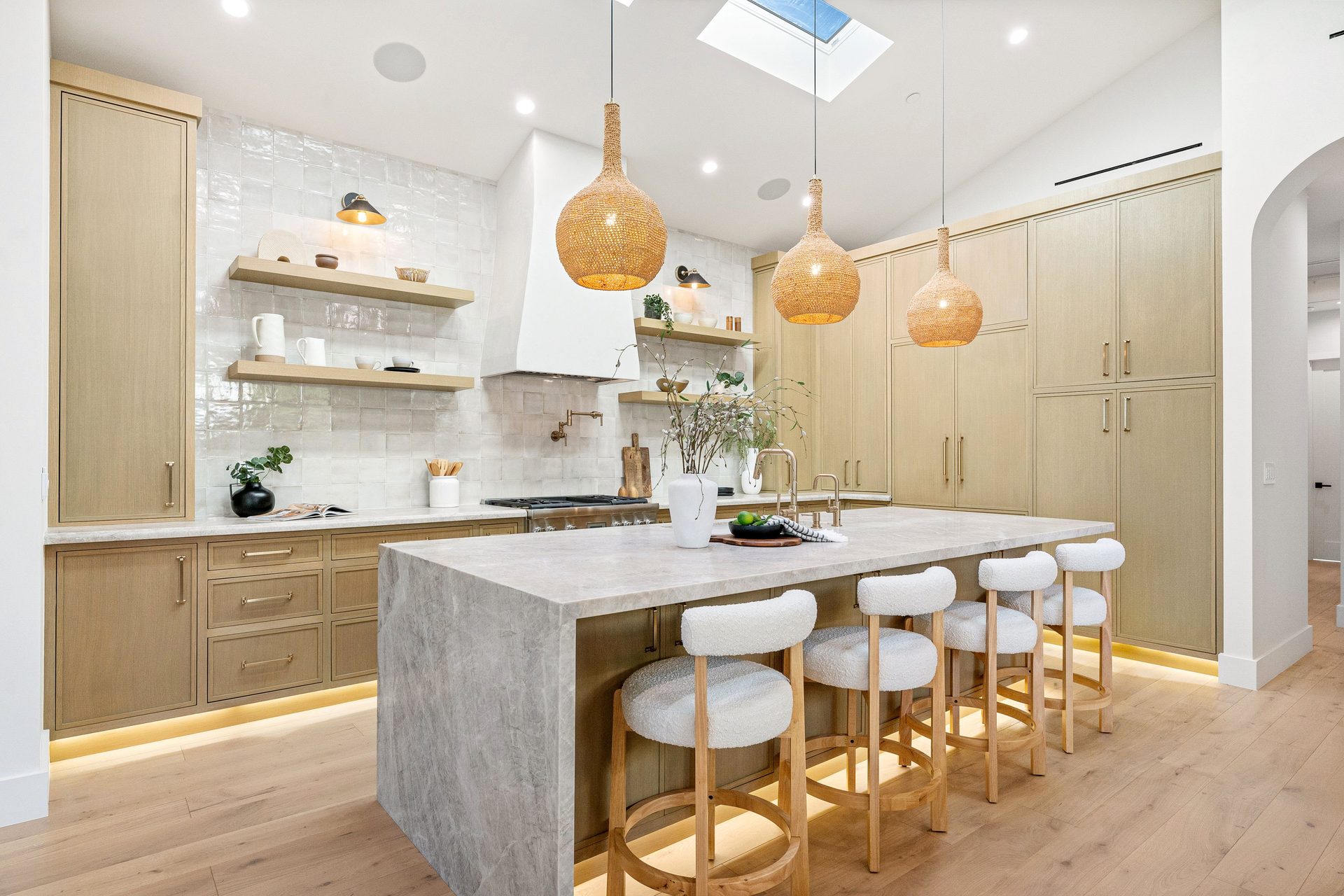
A genuine kitchen and living space
Open, light-filled living areas with a proper kitchen separate a premium ADU from a code-minimum one. The quality of cabinetry, counters, and natural light is what tenants and family members feel every day.
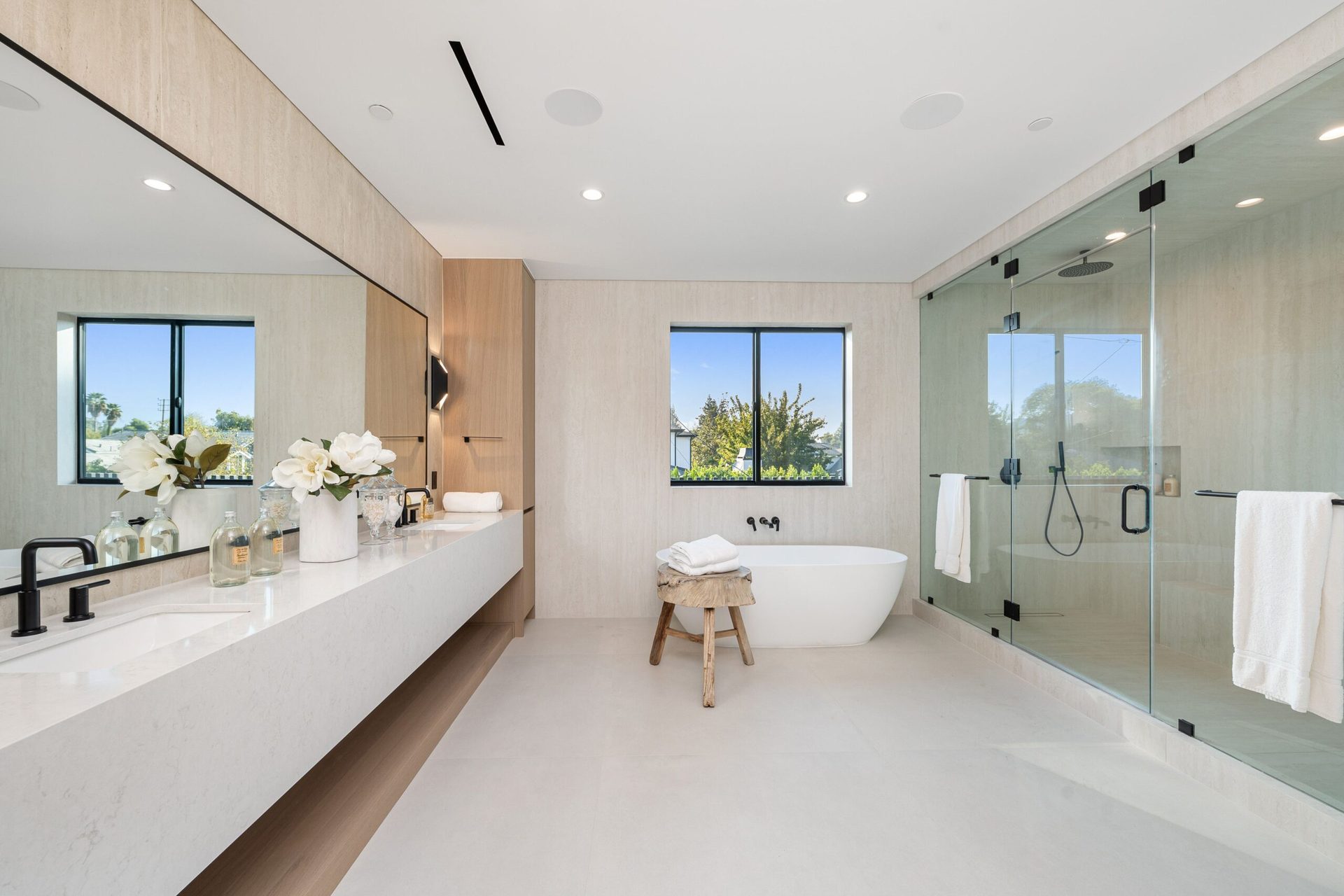
A full, well-built bathroom
A complete ADU needs its own bathroom, which means new plumbing runs and proper waterproofing — the part of the project where craftsmanship matters most and shortcuts show up later.
05How long it takes
Homeowners always ask about the timeline, and the honest answer is that it has two halves.
Design and permitting
The first stretch is design, engineering, and city approval. This varies by jurisdiction across the Peninsula, and it is where having a team that knows each city’s process saves real weeks.
Construction
Because the structure already exists, the build phase of a garage conversion is typically shorter than a ground-up ADU. Clear plans and an in-house crew keep that phase moving without the stop-and-start of coordinating outside trades.
The cleaner the design and permit work up front, the faster and calmer the build — most surprises trace back to plans that were never fully thought through.
06Choosing the right builder
This is the decision that determines everything else. A garage conversion touches structure, plumbing, electrical, and city code all at once, so the team you hire matters more than any single finish.
Look for design and build under one roof
When the designers and builders are the same company, accountability does not get lost in a handoff. Ask whether the firm self-performs the work or farms it out.
Check the license and the local track record
Mayer’s Construction is a licensed California contractor (CA License #1063024), family-owned since 2009, and rooted on the Peninsula and across Silicon Valley. We have walked these exact city permit counters and built these exact conversions — that local fluency is what keeps your project on track.
07Frequently asked questions
Can any garage be converted into an ADU?
Most can, but it depends on the structure’s condition, your lot’s setbacks, and your city’s rules. Both attached and detached garages are common candidates on the Peninsula. We start with a site assessment to confirm what your specific property allows before any design work begins.
What is the difference between an ADU and a JADU?
A standard ADU is a fully independent home with its own kitchen, bathroom, and entrance. A Junior ADU (JADU) is carved from the existing house, limited to 500 square feet, and may share a bathroom with the main home. Most garage conversions are built as full ADUs.
Do I need permits to convert my garage?
Yes. A legal, livable ADU requires city permits covering structural, electrical, plumbing, and energy-code work. We handle the entire permitting process with your local Peninsula jurisdiction so your conversion is fully approved and on record.
How long does a garage-to-ADU conversion take?
Timelines split into a design-and-permitting phase and a construction phase. Because the structure already exists, the build is usually shorter than a ground-up ADU. The exact schedule depends on your city’s approval process, which we map out for you up front.
Does Mayer’s Construction handle design and construction together?
Yes. We are a design-build firm with an in-house design team, 3D renderings before work starts, direct material sourcing, and a crew that self-performs the core construction. You get one accountable team from first concept to final walkthrough.